Probate Doesn't Have Room for Grandma's Laugh: Capturing the Stories Wills Leave Behind
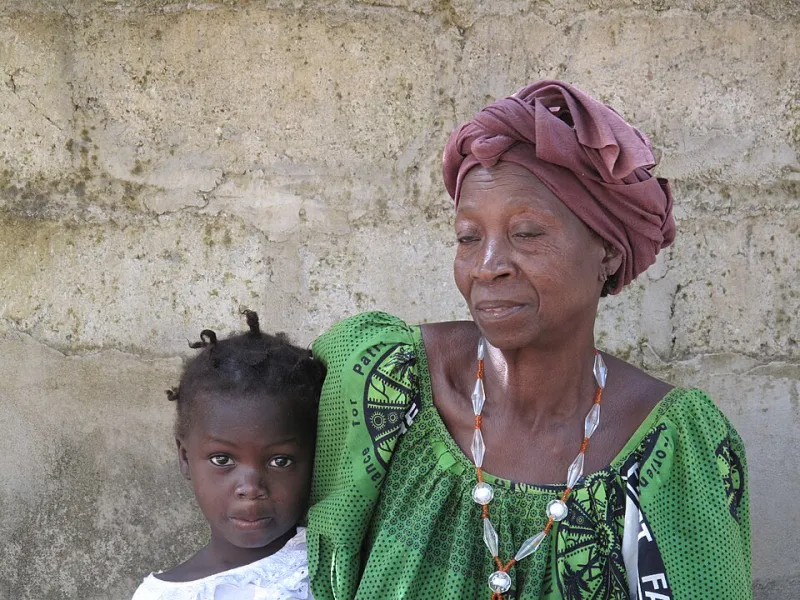
Photo: Forbes Johnston from Winchester, UK, CC BY 2.0, via Wikimedia Commons
Somewhere in a probate court file in nearly every American county is a document that lists, with admirable precision, what a person owned. The accounts. The real property. The retirement plan with the beneficiary designation that may or may not have been updated after the divorce.
What those documents never contain is anything a person meant. Why she kept the chipped mixing bowl. What he actually did during the war. The joke she told at every Thanksgiving until the whole table could recite it—and then told it anyway.
We have built an entire legal apparatus for passing on what people own, and almost nothing institutional for passing on who they were. In our view, that's a gap every family can close, and the closing of it belongs on the same checklist as the will itself.
The Stories Have No Default Beneficiary
Consider what happens to family history when a parent dies without recording it. The immigration story survives only if one cousin happened to be listening. The truth behind the faded photograph in the hallway—two people, one name nobody recognizes—dies with the people who could explain it.
Estate planners sometimes call the tangible items "stuff" and everything else "the rest." Families, in the months after a funeral, call the rest something else: regret. The questions nobody thought to ask while the answers were still available.
This isn't sentimentality standing in opposition to sound planning. It is sound planning. An estate plan that transfers wealth but not context leaves heirs holding property they don't fully understand—sometimes literally. A deed to a farm means something different when you know your great-grandfather bought it the week he became a citizen.
What a Story Legacy Actually Looks Like
The good news is that capturing a family's voice has never been easier or cheaper. The tools are ordinary. The only scarce resource is time, which is precisely why it should be treated as an estate matter rather than a someday project.
Three approaches work well, alone or in combination:
The recorded interview. A smartphone, a quiet room, and a list of questions. Services and nonprofits dedicated to oral history have published excellent question banks, but the format matters more than the questions: one person asking, one person talking, no interruptions. An hour of audio of your mother explaining how she and your father actually met will outlast nearly everything else in the estate.
The memory book. Less formal than a memoir, more durable than a group text. Photos with captions written in the owner's own hand. Short answers to prompts like "the worst money decision I ever made" or "what I want you to know about your grandfather." Handwriting, incidentally, is itself an heirloom. Many adult children report that a page in a parent's handwriting carries more emotional weight than any notarized document.
The letters. A letter to each child or grandchild, sealed and dated, held with the estate documents. Attorneys can store them; some families keep them with the will. Unlike a eulogy, which is written after a life ends, these letters are written while the author can still be surprising.
A Practical Framework, in Four Steps
For families ready to treat this as part of the estate plan rather than an afterthought:
- Name the storyteller's hour. Put it on the calendar the way you'd put a meeting with an estate attorney. Holidays and reunions are natural opportunities, but grief-free, ordinary weekends often produce better recordings.
- Prepare questions, then abandon them. A short list gets things started. The best material usually comes from the follow-up question: "Wait—what happened after that?"
- Store it with the estate documents. Digital files belong in the same access plan as passwords and account information. A recording nobody can find is a recording that doesn't exist.
- Say so in the plan. A brief note alongside the will—"the recordings and letters are for everyone; please don't let them become a dispute"—signals intent. It won't carry legal force, but it carries moral weight, and moral weight resolves more family disagreements than courtrooms do.
The Inheritance That Compounds
Money passed to the next generation tends to be spent. Stories passed to the next generation tend to be retold. Twenty years from now, a grandchild who never met her grandmother can hear her voice, her pauses, her laugh—and that grandchild will pass it forward again.
No probate court will ever require it. No statute mandates it. But of everything a family passes on, it may be the only inheritance that appreciates.