The Cabin Isn't the Problem: How to Decide—Before You're Gone—Whether Shared Property Belongs in Your Estate
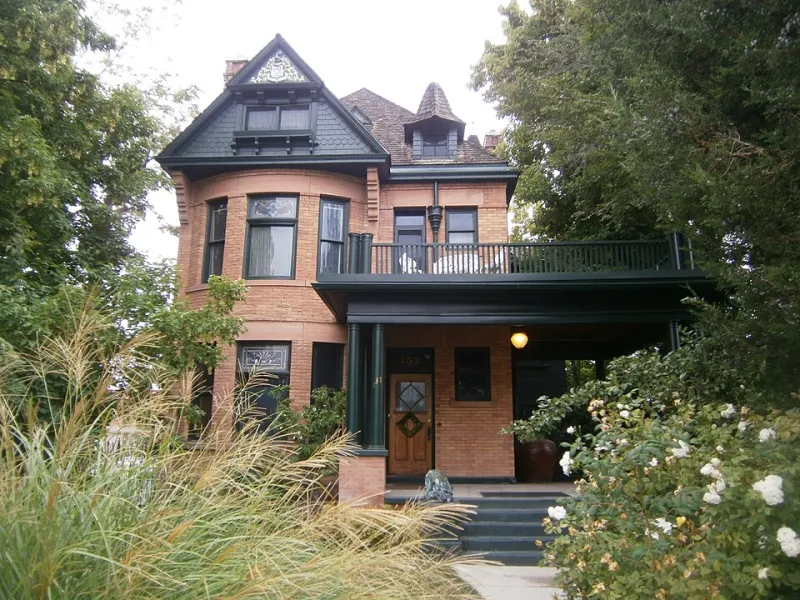
Photo: Ntsimp, CC0, via Wikimedia Commons
Ask around long enough and you'll hear a version of the same story. A father leaves his three adult children the family cabin on Lake Michigan—equally, because equal felt fair. By the following summer, one child wants to sell, one wants to keep it but never visits, and one has quietly sunk several thousand dollars into a new roof without asking anyone. The cabin didn't tear the family apart. The silence around it did.
Shared property—cabins, lake houses, farmland, a condo in Sarasota—is one of the most emotionally loaded assets a family can inherit. It rarely carries the same value to everyone, and unlike a brokerage account, it cannot be divided cleanly down the middle. The good news: there is more than one way to hand it down, and the worst outcomes tend to happen when parents avoid choosing any way at all.
Why "They'll Figure It Out" Rarely Works
Estate attorneys will tell you that the default inheritance—title passes equally to all children as tenants in common—creates a legal structure in which every co-owner has the right to use the property, and, crucially, the right to force a sale through a partition action. That means the sibling who wants out holds real leverage over the siblings who want in.
It also creates a maintenance problem with no built-in answer. Who pays the property taxes in a bad year? Who decides on the insurance policy, the well repair, the dock replacement? Without a framework, every one of those questions becomes a negotiation among people grieving a parent and carrying decades of sibling history.
The property itself is rarely the flashpoint. What sparks conflict is ambiguity—who decides, who pays, who is entitled to what week in July.
The Main Paths, Honestly Weighed
Sell it now, or direct the sale. The cleanest option is also the hardest emotionally. Selling during your lifetime lets you divide proceeds fairly and watch your children benefit without friction. Some families choose a middle route: instruct the executor to sell and divide the proceeds, giving children the right of first refusal if they'd like to buy it themselves.
Leave it to one child. If a single child is genuinely attached to the property—lives nearby, uses it, can afford it—leaving it to them alone, with other assets balancing the scales, avoids co-ownership entirely. This requires candor. Children who learn after the funeral that the cabin went to their brother tend to remember the surprise more than the reasoning. Tell them while you can.
Place it in a limited liability company. An LLC built around the property lets you define, in writing, how decisions are made, how expenses are shared, how ownership interests transfer, and what happens when someone wants out. It's the most durable structure for keeping a property in the family across generations, and it converts emotional standoffs into governance questions. It also carries costs: formation fees, annual filings, and tax filings that a designated member must manage.
Create a co-ownership agreement. For families who prefer to hold title directly, a written agreement among the heirs—ideally drafted before death, not after—can cover usage schedules, expense sharing, buyout rights, and dispute resolution. It is lighter than an LLC but only as strong as the family's willingness to honor it.
The Calendar Is the Contract
Families who successfully share property almost always share something else: a written usage system. Some rotate prime weeks year to year. Some set fixed traditions—Thanksgiving belongs to one branch, the Fourth of July to another. Some use a simple reservation calendar and a shared fund for expenses, with a rule that anyone who uses the property more contributes more.
None of these systems is elegant. All of them are better than assuming goodwill will sort it out. The point is not the particular rule; it's that a rule exists, agreed to before anyone is grieving.
One More Option: Naming the Memory Instead of the Deed
There is a version of this decision that deserves its own moment. If the property's meaning has grown larger than its usefulness—if the taxes are climbing, the maintenance is drifting to whoever lives closest, and the family has scattered across four time zones—selling may be the gift, not the betrayal. The proceeds can fund what the property actually provided: a shared trip, an education fund, an annual gathering that doesn't require a mortgage.
A place can be honored without being preserved. Some families find that letting go of the house freed them to keep the tradition.
Have the Conversation While You're the One Who Can Host It
Whatever you decide, decide it out loud. Sit with your children—individually or together—and talk through what the property means to each of them, who actually wants the responsibility, and what a fair outcome looks like from where they sit. Then put the conclusion in writing, with an estate attorney's help, so the document and the family's understanding match.
The goal of estate planning is not to control the future. It's to keep the people you love from having to guess at your wishes during the hardest week of their lives. A lake house is a wonderful thing to leave behind. So is a clear answer about what happens to it.