Love, With Conditions Attached: What Happens When a Gift Comes With a Fine Print

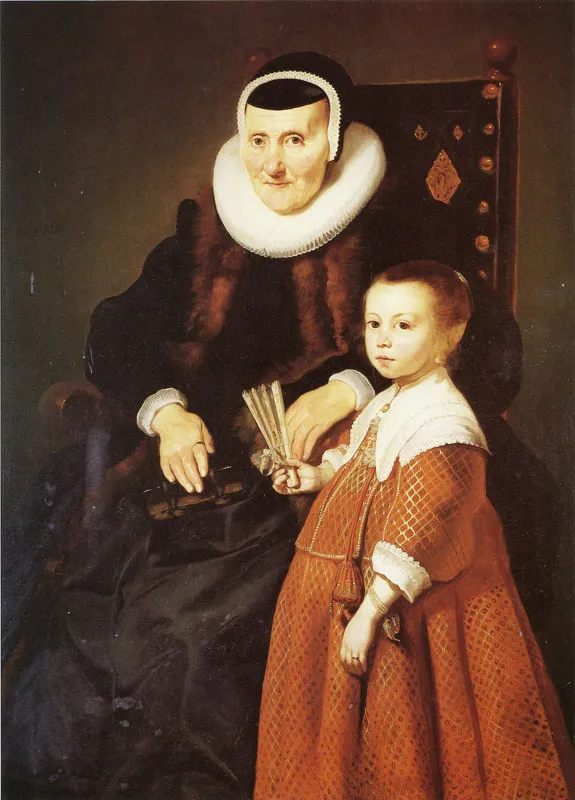
Photo: Nenad Stojkovic, CC BY 2.0, via Wikimedia Commons
A grandmother's will leaves her Victorian farmhouse to her two granddaughters—on one condition. Neither may ever sell it, and it must remain in the family, forever. It sounds like a loving gesture. Within eighteen months, the sisters aren't speaking.
Conditional bequests like this one are more common than most families realize, and they raise a question that rarely gets asked until it's too late: what happens when a gift arrives with instructions attached?
Why People Attach Strings in the First Place
Conditions in wills and trusts rarely come from a desire to control for control's sake. More often, they express anxiety. A parent who watched a child abandon college may tie an inheritance to a diploma—not to punish, but to nudge. A homeowner who spent forty summers at the lake house may demand it stay in the family because selling it feels, to them, like erasing a life.
Estate attorneys see the pattern constantly. The condition is usually a stand-in for something the person couldn't say out loud: I'm afraid of being forgotten. I'm afraid of what you'll do without me. This place mattered—please let it keep mattering.
Understanding that motivation matters, both for the person drafting the document and for the family who will one day interpret it. A condition written from love can still land, years later, as a burden.
What the Law Will—and Won't—Let You Do
American courts give testators wide latitude, but not unlimited latitude. Certain conditions are simply unenforceable. Requirements that a beneficiary marry a specific person, divorce someone, or join (or leave) a religion run headlong into public policy and will typically be struck down. Conditions that are impossible, illegal, or vague enough that no one can tell when they've been met tend to fare poorly too.
Others survive, but with limits. The "rule against perpetuities," adopted in some form by most states, prevents property from being locked up in trust for generations without end. A demand that a house never be sold may be softened by courts into something more workable—perhaps a right of first refusal for family members, or a trust that manages the property rather than an absolute prohibition.
Incentive trusts, which tie distributions to milestones like graduating, working a certain number of hours, or staying sober, are generally enforceable precisely because they're drafted to be: clear benchmarks, a trustee with discretion, and an end date.
The lesson is not that conditions are impossible. It's that a condition drafted without legal guidance is a coin flip, and a coin flip between relatives is how lawsuits happen.
The Conflict No One Budgets For
Even a perfectly legal condition can do quiet damage. Consider the common scenarios:
- The shared property with a no-sale clause. One sibling wants out; the other can't afford to buy them out. Neither can sell. Resentment calcifies.
- The milestone trust. A beneficiary who struggles academically or health-wise watches siblings collect distributions they may never qualify for. The condition, meant to motivate, reads as a verdict.
- The vague condition. "So long as she remains part of the family"—what does that mean after a divorce, an estrangement, a falling out? Ambiguity invites litigation.
Probate courts across the country are filled with cases that began as a single sentence in a will. And unlike most disputes, this one involves a dead person who can't be asked what they really meant.
Better Ways to Honor the Same Wish
Attorneys generally recommend a few principles when a client insists on conditions:
Be specific, or don't bother. "Keep the farm in the family" is a lawsuit. "The farm passes to my children in equal shares, with my daughter holding a right of first refusal to purchase the other share at appraised value" is a plan.
Build in an exit. Conditions that allow a trustee to release a beneficiary from the requirement—say, after ten years, or if maintenance becomes financially impossible—preserve the spirit of the gift without trapping the next generation.
Fund the burden. A house that must be kept comes with taxes, insurance, and a roof. A condition without the money to meet it isn't a legacy; it's a liability.
Say the quiet part out loud. A letter of intent, kept with the will, explaining why the condition exists can do more to prevent family conflict than any clause. "I ask that the house stay in the family because of what it meant to your grandfather and me—and if keeping it costs more than it gives, I release you" is a sentence that can save a sibling relationship.
When Letting Go Is the Real Gift
There is a hard truth here for anyone drafting an estate plan: the people who inherit your wishes will live a life you cannot predict. A condition that assumes the future will look like your hopes for it may punish the very people you meant to protect.
Many experienced estate planners counsel clients to distinguish between wishes and commands. A wish, expressed clearly and explained, carries moral weight. A command, enforced by a court, carries legal weight—and legal weight can crush.
The most generous bequests often pair a strong expression of hope with genuine flexibility: I hope you keep the house. If you can't, I trust you to decide what it was worth.
That trust, it turns out, may be the condition that matters most—and the only one that never needs enforcing.