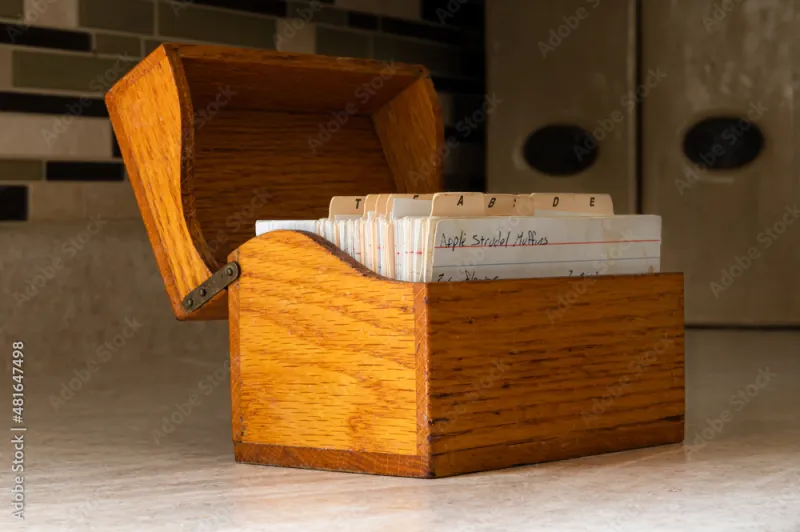
The Recipe Box Won't Save Itself: How to Pass Down Traditions Alongside Your Assets
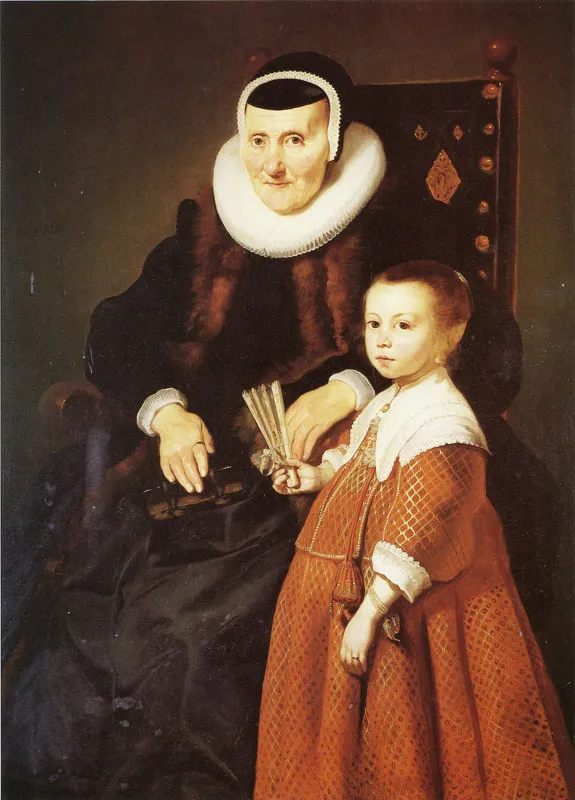
Photo: Jacob Adriaensz Backer, Public domain, via Wikimedia Commons
When most Americans sit down with an estate planning attorney, the conversation covers the essentials: the house, the retirement accounts, the guardianship designations, perhaps a trust. What almost never comes up is the Thanksgiving stuffing recipe that three generations have argued over, or the cabin week in Michigan that has quietly become the glue of the family calendar.
These intangibles don't have a title or a deed, but they are inherited all the same—or lost. And unlike a brokerage account, they can't be distributed by a probate court. If a tradition matters to you, it needs a plan.
Why Traditions Need Planning More Than Property Does
Assets pass through legal instruments. Traditions pass through people. When the person who anchored a ritual—a grandmother who hosted every Christmas Eve, a father who organized the annual fishing trip—dies or declines, the tradition often dies with them. Not because anyone wanted it to, but because nobody was designated to carry it, and nobody wrote down how it actually worked.
Ask any adult sibling who has tried to recreate a parent's holiday dinner. The ham was never written down. The timing of the gift exchange existed only in the host's head. What felt effortless was, in fact, a body of knowledge—and bodies of knowledge that aren't documented don't transfer.
Step One: Inventory What You Actually Have
Before you can pass down a tradition, you have to name it. Sit down—ideally with family—and list the rituals that define your household. Common categories include:
- Food traditions: signature dishes, holiday baking, the 'secret' family recipes that exist only in memory
- Annual gatherings: reunions, lake trips, the Fourth of July barbecue, birthday rituals
- Cultural and religious observances: lighting candles, saying specific prayers, quinceañeras, bar mitzvah celebrations
- Small daily or weekly habits: Sunday phone calls, game nights, the way stockings are opened one at a time
Don't edit the list for significance. The small habits are often the ones survivors miss most.
Step Two: Document the Details
A tradition is more fragile than it looks, because so much of it is unwritten. For each item on your inventory, capture the specifics:
The how. Recipes should be written with measurements and technique, not 'add flour until it looks right.' Trips need dates, reservations patterns, and contacts. Rituals need their sequence and their words.
The why. A short note on where the tradition came from gives it meaning for people who never met its originator. 'Grandpa started this in 1978 after he came home from the Army' transforms a ritual into a story.
The quirks. Every family tradition has rules nobody wrote down—everyone draws names the day after Thanksgiving, the youngest reads the Christmas story. These details are the first thing lost.
A simple binder, a shared digital folder, or a dedicated notebook works fine. What matters is that it exists outside of anyone's memory.
Step Three: Name Your Keepers
This is the step most families skip. Just as you name an executor for your estate, consider naming a 'keeper' for each tradition—the person who will take responsibility for continuing it.
This should be a conversation, not a surprise. Ask your daughter whether she wants to host Thanksgiving someday. Ask your grandson if he'd take over the annual trip. Some will say yes enthusiastically; some will decline. Both answers are useful. A tradition assigned to an unwilling heir becomes an obligation; one offered to a willing keeper becomes a gift.
You can name more than one keeper, and you can rotate the role. Some families formalize this in a letter of instruction kept alongside their will. It isn't legally binding, but it removes ambiguity and gives the next generation permission to lead.
Step Four: Hand It Over While You Can
The most effective way to preserve a tradition is to teach it. Let the next generation cook alongside you. Take turns hosting. Show someone where the decorations are stored and how the reservation at the lake lodge gets made every February.
Passing something on is not the same as giving it up. You can remain part of the tradition while ensuring it doesn't depend entirely on you.
A Place in Your Larger Plan
Estate planning attorneys sometimes call this 'ethical legacy' work—the non-financial inheritance. Some families attach a tradition letter to their will or trust documents; others keep it separate and share it openly. There's no required format, only the requirement of intention.
The assets in your estate will be divided. Traditions, if they're planned for, will be multiplied—carried into new kitchens, new states, new generations. That outcome doesn't happen by accident. It happens because someone decided, in advance, that some things are worth writing down.